Food Economics Across South Asia & the Gulf
The dietary ecosystems of Pakistan and the member states of the Gulf Cooperation Council (GCC) share deep cultural and socio-economic connections. Driven by massive expatriate demographics, shared culinary heritages, and rapid digital transformation, food accessibility in these regions relies on two distinct structural models.
In Pakistan, low-cost dining is anchored in informal street food vending, traditional roadside dhabas, and ancestral commercial markets. Low operational overheads and tax-exempt informal structures enable vendors to serve nutrient-dense meals at minimal prices. Conversely, strict municipal health regulations in the GCC require budget dining to operate within structured cafeterias, historical neighborhood eateries, and competitive digital delivery platforms.
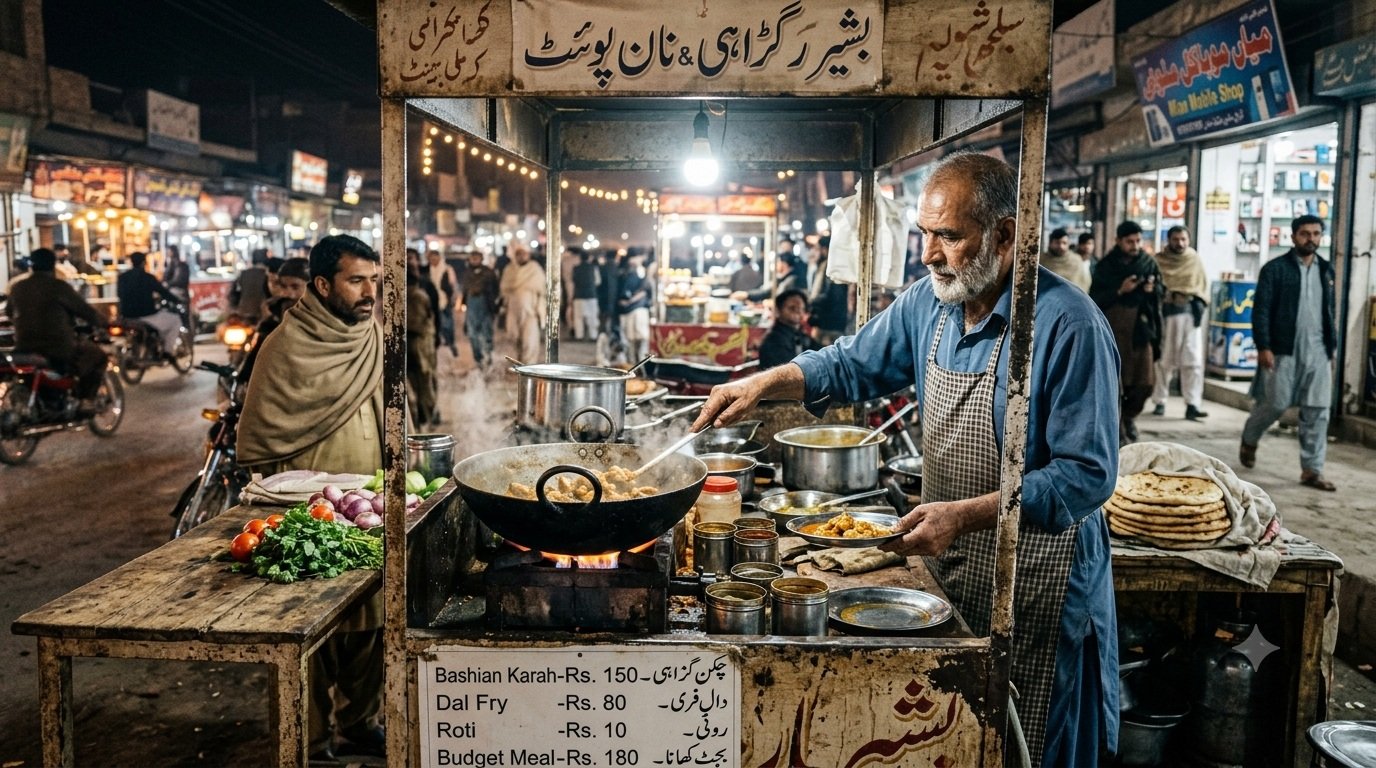
Street Food vs. Cafeterias
Informal street dhabas in Pakistan provide direct cost efficiency. In GCC cities like Dubai, Riyadh, and Doha, municipal cafeteria models deliver standardized items such as karak tea, shawarma, and paratha rolls under strict hygiene regulations.
Delivery Aggregator Wars
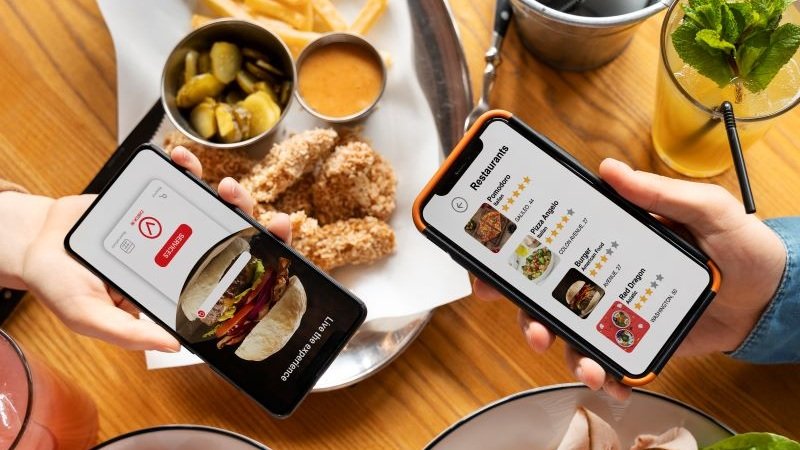
Tech platforms rely on aggressive customer acquisition. From Keeta's zero-delivery-fee strategy in Saudi Arabia to Careem Plus subscriptions in the UAE and Foodpanda's In-Store Price guarantee in Pakistan, digital food pricing has shifted dramatically.
Expat Consumer Value
Expatriates and budget travelers can optimize daily expenses by combining app subscription passes with neighborhood dining in historic districts like Karama (Dubai), Al-Batha (Riyadh), Souq Waqif (Doha), and Anarkali (Lahore).
Aggregator App Dynamics & Subscriptions
The food delivery industry across South Asia and the GCC is undergoing rapid evolution. On-demand delivery platforms invest heavily in customer retention using subscription models, cashback offers, and exclusive brand partnerships.
For instance, Careem Plus in the UAE charges a modest monthly fee to unlock unlimited free delivery, saving regular users over AED 300 monthly. In Saudi Arabia, Meituan’s Keeta platform launched with zero delivery fees and generous signup vouchers. In Oman, TM Done provides a 2.5% lifetime cashback program, while Foodpanda in Pakistan guarantees physical store pricing on app menus.
GCC & Pakistan Regional Price Benchmark Matrix
Comparative breakdown of affordable food districts, core budget meals, and key delivery apps.
| Country | Cheapest Food Districts | Key Budget Meal | Avg. Cost / Meal | Top Delivery App |
|---|---|---|---|---|
| Pakistan | Anarkali, Gawalmandi, Model Town | Naan Chanay / Samosa Plate | PKR 100 - 300 | Foodpanda |
| UAE | Karama, Satwa, Deira, Bur Dubai | Veg Thali / Shawarma / Karak | AED 15 - 35 | Careem Plus |
| Saudi Arabia | Al-Batha (Riyadh), Al-Balad (Jeddah) | Broast Chicken / Kabsa / Shawarma | SAR 10 - 25 | Keeta |
| Qatar | Souq Waqif, Katara, Al Nasr | Kebab Skewers / Chapati & Karak | QAR 10 - 30 | Talabat Qatar |
| Oman | MBD, Ruwi, Seeb (Muscat) | Aagraham Breakfast / Fatayir | OMR 1.0 - 2.5 | TM Done |
Explore Country-Specific Research Guides
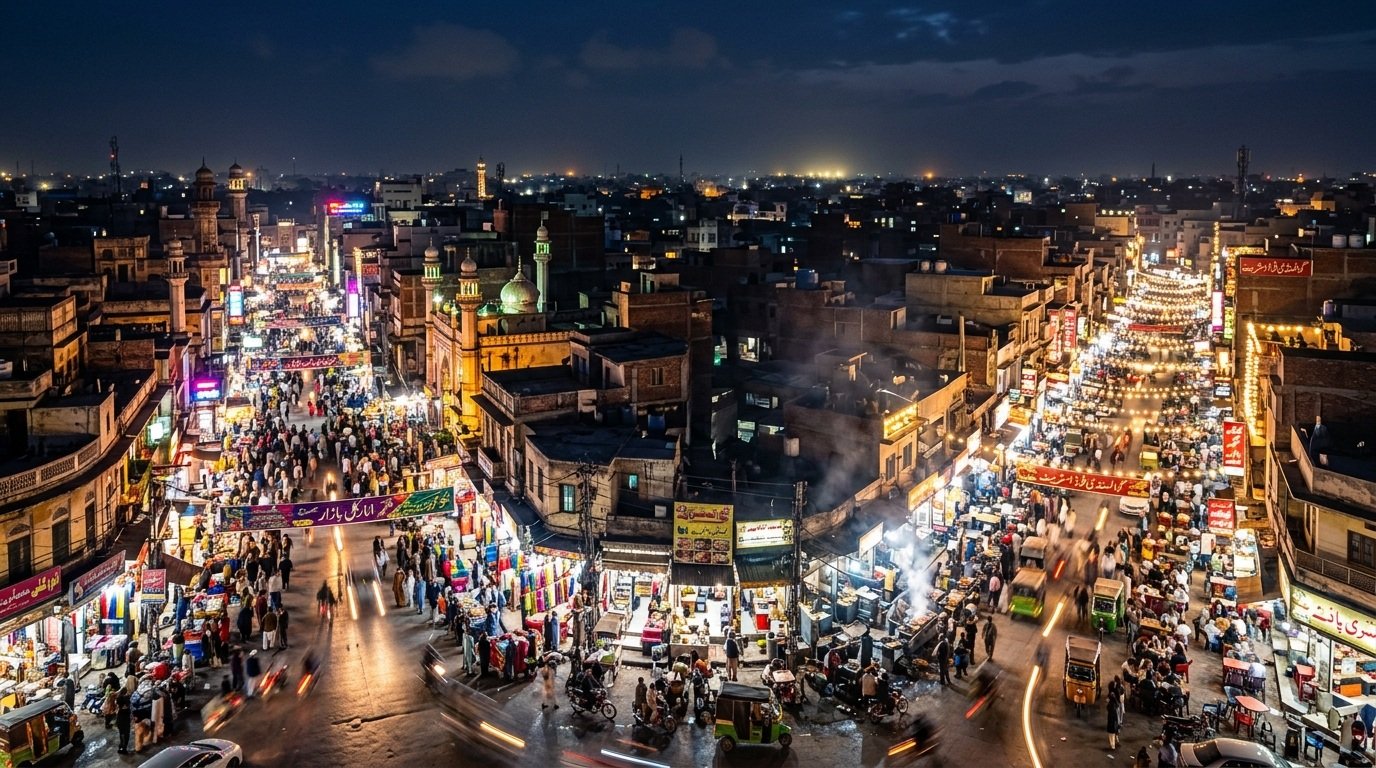
Pakistan Guide
Discover Lahore's historic Anarkali bazaar, Quetta chai dhabas, and Foodpanda's pricing guarantees.
Read Pakistan Analysis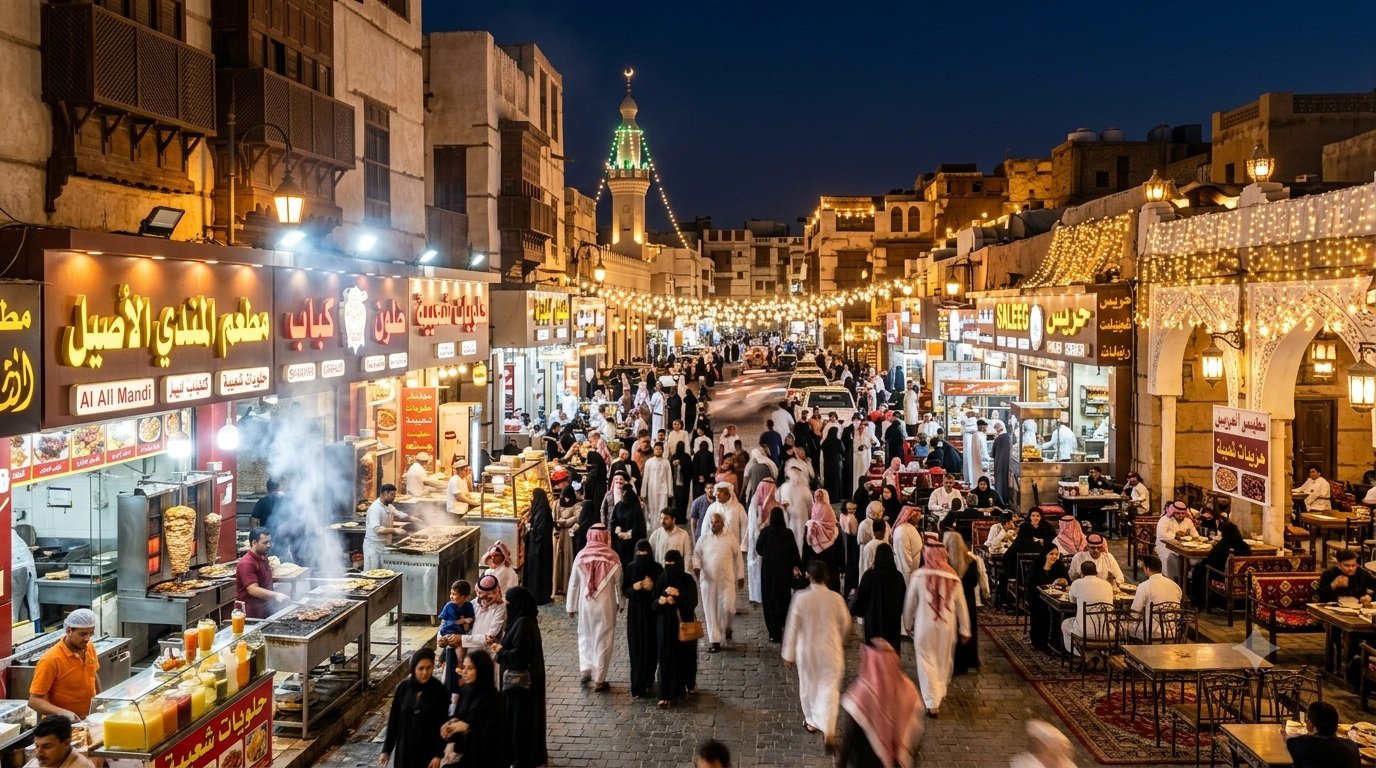
Saudi Arabia Guide
Examine Keeta's zero-delivery fee disruption, AlBaik broast chicken, and Barakah food waste deals.
Read Saudi Analysis
UAE Guide
Uncover Karama's Curry Corridor, Ravi Restaurant in Satwa, and Careem Plus subscription savings.
Read UAE Analysis